Buy bodytherapy.eu ?
We are moving the project
bodytherapy.eu .
Are you interested in purchasing the domain
bodytherapy.eu ?
domain@kv-gmbh.de · 0541-91531010
Buy bodytherapy.eu ?
How can reducing and non-reducing sugars be detected?
Reducing sugars can be detected using Benedict's test, in which the reducing sugar is heated with Benedict's reagent and a color change from blue to green, yellow, orange, or red indicates the presence of reducing sugars. Non-reducing sugars can be detected by first hydrolyzing them into reducing sugars using acid hydrolysis, and then performing the Benedict's test to detect the presence of reducing sugars. Another method to detect reducing and non-reducing sugars is through chromatography, where the sugars are separated based on their interactions with a stationary phase and a mobile phase, and then visualized using specific detection methods. **
Are halogens reducing agents?
No, halogens are not reducing agents. In chemical reactions, reducing agents are substances that donate electrons to other reactants, causing them to be reduced. Halogens, on the other hand, are highly electronegative elements that tend to gain electrons rather than lose them, making them more likely to act as oxidizing agents. **

Similar search terms for Reducing
Top-Angebote
Products related to Reducing:




-
When is sugar reducing?
Sugar is reducing when it undergoes a chemical reaction that breaks down its molecular structure, resulting in a decrease in its overall concentration. This reduction can occur when sugar is heated, such as when caramelizing sugar to make caramel, or when sugar is fermented by yeast to produce alcohol. Additionally, sugar can also be reduced through enzymatic reactions, where enzymes break down sugar molecules into simpler forms. **
-
What are reducing sugars?
Reducing sugars are a type of sugar that have the ability to reduce other substances, particularly by donating electrons. This is due to the presence of a free aldehyde or ketone group in their chemical structure. Common examples of reducing sugars include glucose, fructose, and maltose. When reducing sugars react with certain compounds, they can cause a color change, such as in the Benedict's test for detecting the presence of reducing sugars. **
-
What does reducing mean?
Reducing means to make something smaller, decrease in size, quantity, or intensity. It can also refer to simplifying or streamlining a process or system. In mathematics, reducing involves simplifying a fraction or expression to its simplest form. Overall, reducing involves minimizing or decreasing something to a more manageable or efficient state. **
-
Is sucrose a reducing sugar?
Sucrose is not a reducing sugar because it does not have a free aldehyde or ketone group that can participate in the reduction reaction. Sucrose is a disaccharide composed of glucose and fructose linked together by a glycosidic bond, which prevents it from being able to undergo the typical reactions of reducing sugars. **


What is a reducing effect?
A reducing effect refers to the ability of a substance to donate electrons or hydrogen atoms to another substance, thereby causing a reduction reaction. This process results in the reduction of the other substance, which gains electrons or hydrogen atoms. Substances with reducing effects are often referred to as reducing agents and play a crucial role in various chemical reactions, including redox reactions. **
What is non-reducing sugar?
Non-reducing sugars are carbohydrates that do not have a free aldehyde or ketone group, which is necessary for the reducing sugar reaction. This means they cannot reduce other substances, such as Fehling's solution or Benedict's solution. Non-reducing sugars include disaccharides like sucrose, which is made up of glucose and fructose molecules bonded together in a way that does not allow them to open up and form a free aldehyde or ketone group. **
Top-Angebote
Products related to Reducing:
-
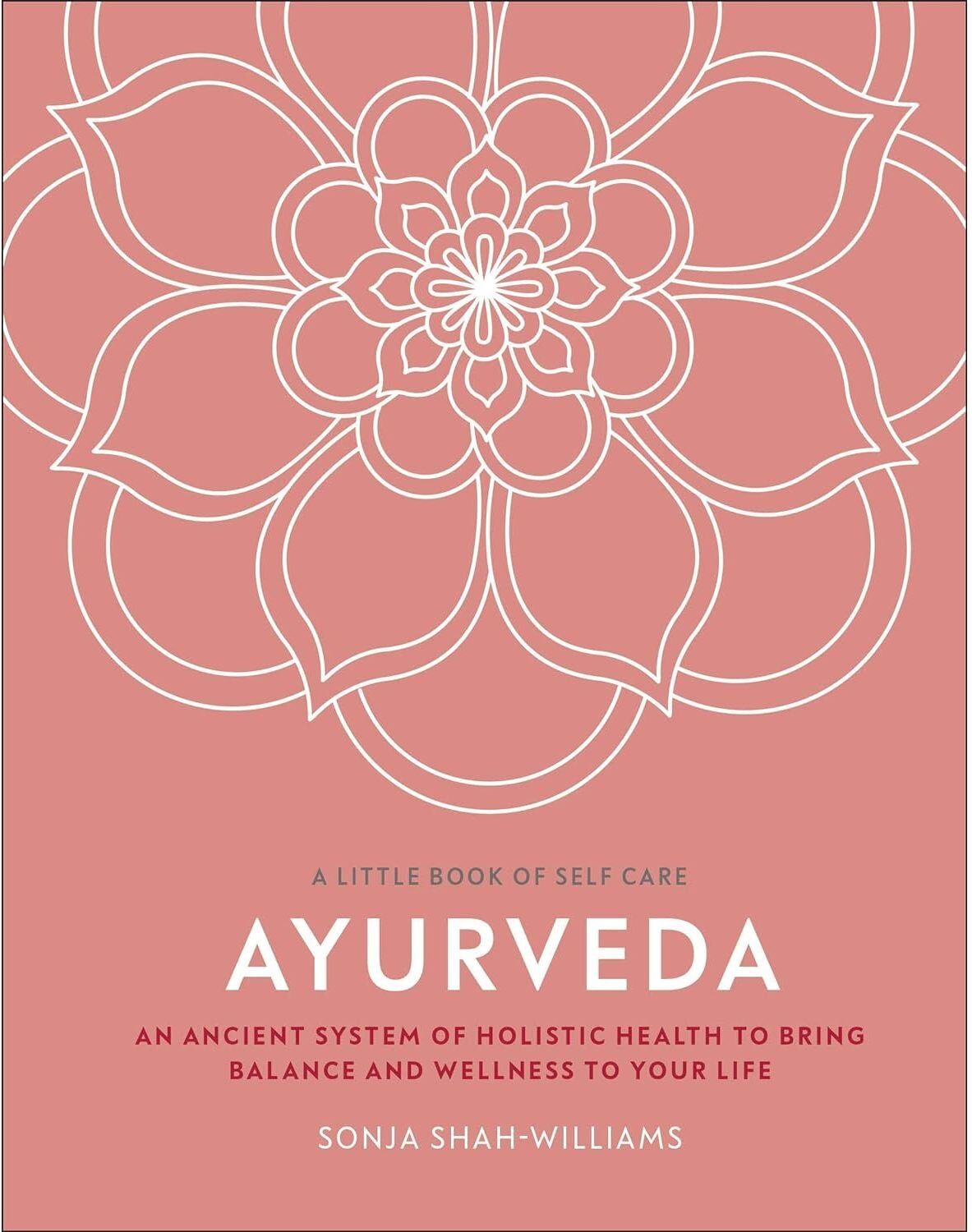
DK Ayurveda: An Ancient System of Holistic Health to Bring Balance and Wellness to Your Life (A Little Book of Self Care)Make Ayurveda an indispensable part of your daily routine with this step-by-step guide to holistic balance and wellness. For a natural approach to self-healing, alternative medicine, and wellness, expert Sonja Shah-Williams has tailored remedies including Ayurveda recipes, skincare, yoga, and mindful meditation techniques. Harness the power of alternative therapies and discover: - What Ayurveda is and the benefits of the practice - Easy to follow, step by step illustrated guide to Ayurvedic practices - Ayurvedic super-foods and recipes - How to easily incorporate holistic practices into daily life - Positive affirmations, mindfulness techniques and exercises Modern science has proved the effectiveness of Ayurveda as a view of the world based on ancient beliefs that everything is connected and that balance is the key to wellbeing. Ayurveda focuses on the prevention of disease by focusing on anti-inflammatory diets, mindful meditation, and massages. This practical guide is an Ayurvedic consultation at your disposal. This little self-care book will take you on a breathtaking journey of holistic healing. It begins by unpacking what Ayurveda is and the benefits of the practice. This reference book includes wellness practices designed to uplift the mind, body, and spirit and healing treatments designed to address, relieve, and help cure a range of common conditions.4,95 £*Shipping: 1,99 £Secure redirect to the provider
-
Yellow Kite Crystals for Self-Care by Kirsty Gallagher - Hardback Guide to Crystal Healing Rituals for Love, Stress & WellbeingDiscover the world of crystal healing with this beautifully produced hardback guide from Sunday Times bestselling author Kirsty Gallagher. 'Crystals for Self-Care' offers an accessible entry point into crystal healing, blending clear foundational knowledge with practical, everyday rituals. The book is written for both complete beginners and seasoned spiritual seekers, providing a genuinely useful reference for those interested in crystal healing. Kirsty's warm and experienced voice guides readers through choosing, cleansing and working with crystals to support love, stress relief, work confidence and overall wellbeing. The book is structured in two clear parts, with Part One laying the groundwork for understanding crystals and their uses, and Part Two providing practical guidance on how to incorporate crystals into daily life. This comprehensive guide is perfect for anyone looking to learn more about crystal healing and how to use crystals for self-care.4,99 £*Shipping: 2,99 £Secure redirect to the provider
-
How can reducing and non-reducing sugars be detected?
Reducing sugars can be detected using Benedict's test, in which the reducing sugar is heated with Benedict's reagent and a color change from blue to green, yellow, orange, or red indicates the presence of reducing sugars. Non-reducing sugars can be detected by first hydrolyzing them into reducing sugars using acid hydrolysis, and then performing the Benedict's test to detect the presence of reducing sugars. Another method to detect reducing and non-reducing sugars is through chromatography, where the sugars are separated based on their interactions with a stationary phase and a mobile phase, and then visualized using specific detection methods. **
-
Are halogens reducing agents?
No, halogens are not reducing agents. In chemical reactions, reducing agents are substances that donate electrons to other reactants, causing them to be reduced. Halogens, on the other hand, are highly electronegative elements that tend to gain electrons rather than lose them, making them more likely to act as oxidizing agents. **
-
When is sugar reducing?
Sugar is reducing when it undergoes a chemical reaction that breaks down its molecular structure, resulting in a decrease in its overall concentration. This reduction can occur when sugar is heated, such as when caramelizing sugar to make caramel, or when sugar is fermented by yeast to produce alcohol. Additionally, sugar can also be reduced through enzymatic reactions, where enzymes break down sugar molecules into simpler forms. **
-
What are reducing sugars?
Reducing sugars are a type of sugar that have the ability to reduce other substances, particularly by donating electrons. This is due to the presence of a free aldehyde or ketone group in their chemical structure. Common examples of reducing sugars include glucose, fructose, and maltose. When reducing sugars react with certain compounds, they can cause a color change, such as in the Benedict's test for detecting the presence of reducing sugars. **
Similar search terms for Reducing
-
HAZET 9007S Reducing Adapter, ratchetOperating Mode: for machine actuation; Net weight [kg]: 0,1; Length [mm]: 37; Material: Chrome Vanadium Steel, Nickel-Chrome-Molybdenum; Surface: Phosphatized, Oiled; DIN/ISO: DIN 3121; Drive side (profile): Rectangle; Square Drive Tang Size [mm (inch)]: 12.5 (1/2); Output end (profile): Rectangle; Square drive tang dimensions [mm (in)]: 10 (3/8)20,49 £*Shipping: 8,45 £Secure redirect to the provider
-
VIGOR V2109 Reducing Adapter, ratchetLength 2 [mm]: 36; Hex drive tang dim. [mm (in)]: 10 (3/8); Operating Mode: Manual (hand operated); Square Drive Tang Size [mm (inch)]: 12.5 (1/2); Drive side (profile): Rectangle; Supplementary Info: Adapter 16,29 £*Shipping: 8,45 £Secure redirect to the provider
-
What does reducing mean?
Reducing means to make something smaller, decrease in size, quantity, or intensity. It can also refer to simplifying or streamlining a process or system. In mathematics, reducing involves simplifying a fraction or expression to its simplest form. Overall, reducing involves minimizing or decreasing something to a more manageable or efficient state. **
-
Is sucrose a reducing sugar?
Sucrose is not a reducing sugar because it does not have a free aldehyde or ketone group that can participate in the reduction reaction. Sucrose is a disaccharide composed of glucose and fructose linked together by a glycosidic bond, which prevents it from being able to undergo the typical reactions of reducing sugars. **
-
What is a reducing effect?
A reducing effect refers to the ability of a substance to donate electrons or hydrogen atoms to another substance, thereby causing a reduction reaction. This process results in the reduction of the other substance, which gains electrons or hydrogen atoms. Substances with reducing effects are often referred to as reducing agents and play a crucial role in various chemical reactions, including redox reactions. **
-
What is non-reducing sugar?
Non-reducing sugars are carbohydrates that do not have a free aldehyde or ketone group, which is necessary for the reducing sugar reaction. This means they cannot reduce other substances, such as Fehling's solution or Benedict's solution. Non-reducing sugars include disaccharides like sucrose, which is made up of glucose and fructose molecules bonded together in a way that does not allow them to open up and form a free aldehyde or ketone group. **
* All prices are inclusive of VAT and, if applicable, plus shipping costs. The offer information is based on the details provided by the respective shop and is updated through automated processes. Real-time updates do not occur, so deviations can occur in individual cases. ** Note: Parts of this content were created by AI.