Buy bodytherapy.eu ?
We are moving the project
bodytherapy.eu .
Are you interested in purchasing the domain
bodytherapy.eu ?
domain@kv-gmbh.de · 0541-91531010
Buy bodytherapy.eu ?
What are peptide bonds?
Peptide bonds are covalent bonds that link amino acids together in a protein chain. They are formed through a condensation reaction between the carboxyl group of one amino acid and the amino group of another amino acid, resulting in the release of a water molecule. Peptide bonds are crucial for maintaining the structure and function of proteins, as they determine the sequence of amino acids in a protein chain. **
What is correct: peptide bond?
A peptide bond is a covalent bond that forms between the carboxyl group of one amino acid and the amino group of another amino acid during protein synthesis. This bond is formed through a condensation reaction, where a molecule of water is removed. The resulting bond is a strong and stable linkage that holds the amino acids together in a protein chain. Therefore, the correct term is "peptide bond" to describe this specific type of covalent bond between amino acids. **

Similar search terms for Peptide
Top-Angebote
Products related to Peptide:
-
Coxir Intensive EGF Peptide Emulsion Anti-Wrinkle and Vitalize Care 100mLA cleansing product for wrinkles and signs of ageing. Firm, nourish, and rejuvenate your skin with Intensive EGF Peptide Emulsion — the lightweight anti-aging emulsion for lasting radiance. Renew — Beauty That Lasts. Improves skin firmness and elasticity. Reduces signs of aging and sagging. Provides deep hydration without heaviness.11,73 £*Shipping: 5,16 £Secure redirect to the provider
-
DK Ayurveda: An Ancient System of Holistic Health to Bring Balance and Wellness to Your Life (A Little Book of Self Care)Make Ayurveda an indispensable part of your daily routine with this step-by-step guide to holistic balance and wellness. For a natural approach to self-healing, alternative medicine, and wellness, expert Sonja Shah-Williams has tailored remedies including Ayurveda recipes, skincare, yoga, and mindful meditation techniques. Harness the power of alternative therapies and discover: - What Ayurveda is and the benefits of the practice - Easy to follow, step by step illustrated guide to Ayurvedic practices - Ayurvedic super-foods and recipes - How to easily incorporate holistic practices into daily life - Positive affirmations, mindfulness techniques and exercises Modern science has proved the effectiveness of Ayurveda as a view of the world based on ancient beliefs that everything is connected and that balance is the key to wellbeing. Ayurveda focuses on the prevention of disease by focusing on anti-inflammatory diets, mindful meditation, and massages. This practical guide is an Ayurvedic consultation at your disposal. This little self-care book will take you on a breathtaking journey of holistic healing. It begins by unpacking what Ayurveda is and the benefits of the practice. This reference book includes wellness practices designed to uplift the mind, body, and spirit and healing treatments designed to address, relieve, and help cure a range of common conditions.4,95 £*Shipping: 1,99 £Secure redirect to the provider
-
Mizon Peptide Ampoule Cream 50mLA skin-care product for wrinkles and signs of ageing. It a light cream containing 45% peptide, a strong defense against aging. Increases skin renewal, helps reduce fine lines, firms, hydrates, promotes collagen and elastin production, and is anti-inflammatory. Apply an appropriate amount to the skin with gentle movements or massages as the last step of morning and/or evening care.12,22 £*Shipping: 5,16 £Secure redirect to the provider




-
What is a peptide bond, peptide chain, peptide group, di-, tri-, and polypeptide? Can you please explain this briefly and simply? Thank you.
A peptide bond is a chemical bond that forms between the carboxyl group of one amino acid and the amino group of another amino acid. When multiple amino acids are linked together by peptide bonds, they form a peptide chain. A peptide group refers to a group of amino acids linked together by peptide bonds. A dipeptide is a chain of two amino acids, a tripeptide has three amino acids, and a polypeptide is a chain of many amino acids linked together. These chains of amino acids are the building blocks of proteins. **
-
What is the stability of peptide bonds?
Peptide bonds are relatively stable under normal physiological conditions. They are formed through a condensation reaction between the carboxyl group of one amino acid and the amino group of another, resulting in the release of a water molecule. This covalent bond is strong and resistant to hydrolysis, making it stable in the presence of water. However, under extreme conditions such as high temperature or strong acids or bases, peptide bonds can be hydrolyzed, leading to the breakdown of the peptide chain. **
-
How does hydrolysis occur during peptide cleavage?
Hydrolysis occurs during peptide cleavage when a water molecule is used to break the bond between the carboxyl group of one amino acid and the amino group of another. This process involves the addition of a water molecule to the peptide bond, resulting in the separation of the two amino acids. The water molecule donates a hydrogen ion to one amino acid and a hydroxide ion to the other, causing the bond to break and the peptide to be cleaved. This hydrolysis reaction is catalyzed by enzymes called proteases, which facilitate the cleavage of peptides in biological systems. **
-
Why are peptide bonds not freely rotatable?
Peptide bonds are not freely rotatable because of the partial double bond character that arises from resonance in the peptide bond. This restricts the rotation around the bond and locks the peptide backbone into a planar structure. The resonance forms a rigid, flat structure that allows for the formation of the alpha helix and beta sheet secondary structures in proteins. This rigidity is essential for maintaining the specific three-dimensional shape and function of proteins. **

How does one go from DNA to peptide?
The process of going from DNA to peptide involves several steps. First, the DNA sequence is transcribed into messenger RNA (mRNA) by the enzyme RNA polymerase. The mRNA is then translated by ribosomes, which read the mRNA sequence in groups of three nucleotides called codons. Each codon corresponds to a specific amino acid, which is the building block of a peptide. As the ribosome reads the mRNA, it links together the corresponding amino acids to form a peptide chain. This chain of amino acids folds into a specific three-dimensional structure to form a functional peptide. **
How can one recognize mesomerically stabilized peptide bonds?
Mesomerically stabilized peptide bonds can be recognized by the presence of resonance structures in the peptide bond. This is typically observed when the peptide bond is part of a conjugated system, such as in the case of proline or in the presence of aromatic amino acids like phenylalanine or tyrosine. The presence of resonance structures indicates that the electrons in the peptide bond are delocalized, leading to increased stability. Additionally, mesomerically stabilized peptide bonds may exhibit altered reactivity compared to non-stabilized peptide bonds, making them important in the study of protein structure and function. **
Top-Angebote
Products related to Peptide:
-
Sensilis Peptide [Reti-V] Regenerating Night Care for Sensitive SkinA facial serum for wrinkles and signs of ageing. Revitalize sensitive skin overnight with Peptide [Reti-V]. Formulated with 0.5% Bakuchiol, collagen-boosting Skinarch Peptide, and turmeric extract, it reduces inflammation, smooths wrinkles, and activates cell renewal — vegan-friendly and dermatologist-tested.50,40 £*Shipping: 9,68 £Secure redirect to the provider
-
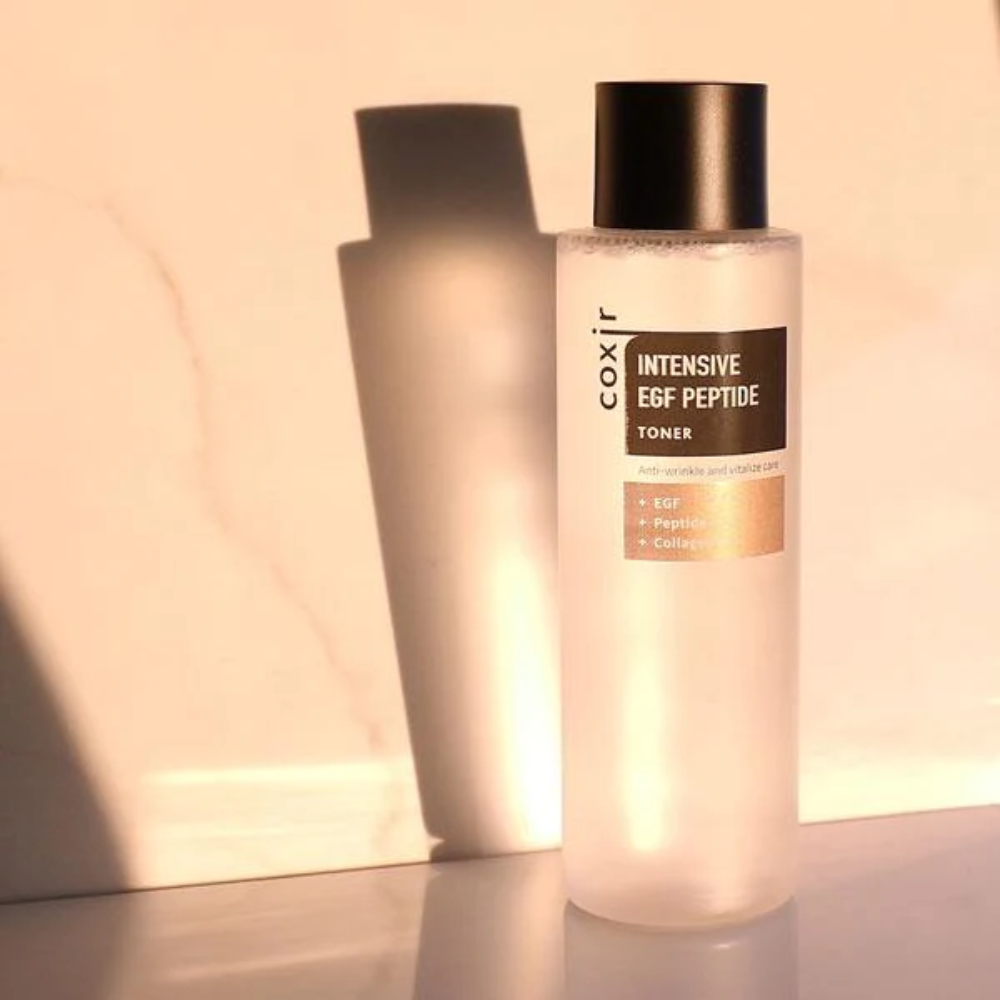
Coxir Intensive EGF Peptide Toner Anti-Wrinkle and Vitalize Care 150mLA facial toner for wrinkles and signs of ageing. Smooth, firm, and revitalize your skin with Intensive EGF Peptide Toner — the anti-wrinkle solution for youthful radiance. Turn Back Time — One Drop at a Time. Reduces wrinkles and fine lines. Deeply hydrates and nourishes. Firms and strengthens skin elasticity.11,07 £*Shipping: 5,16 £Secure redirect to the provider
-
Coxir Intensive EGF Peptide Emulsion Anti-Wrinkle and Vitalize Care 100mLA cleansing product for wrinkles and signs of ageing. Firm, nourish, and rejuvenate your skin with Intensive EGF Peptide Emulsion — the lightweight anti-aging emulsion for lasting radiance. Renew — Beauty That Lasts. Improves skin firmness and elasticity. Reduces signs of aging and sagging. Provides deep hydration without heaviness.11,73 £*Shipping: 5,16 £Secure redirect to the provider
-
DK Ayurveda: An Ancient System of Holistic Health to Bring Balance and Wellness to Your Life (A Little Book of Self Care)Make Ayurveda an indispensable part of your daily routine with this step-by-step guide to holistic balance and wellness. For a natural approach to self-healing, alternative medicine, and wellness, expert Sonja Shah-Williams has tailored remedies including Ayurveda recipes, skincare, yoga, and mindful meditation techniques. Harness the power of alternative therapies and discover: - What Ayurveda is and the benefits of the practice - Easy to follow, step by step illustrated guide to Ayurvedic practices - Ayurvedic super-foods and recipes - How to easily incorporate holistic practices into daily life - Positive affirmations, mindfulness techniques and exercises Modern science has proved the effectiveness of Ayurveda as a view of the world based on ancient beliefs that everything is connected and that balance is the key to wellbeing. Ayurveda focuses on the prevention of disease by focusing on anti-inflammatory diets, mindful meditation, and massages. This practical guide is an Ayurvedic consultation at your disposal. This little self-care book will take you on a breathtaking journey of holistic healing. It begins by unpacking what Ayurveda is and the benefits of the practice. This reference book includes wellness practices designed to uplift the mind, body, and spirit and healing treatments designed to address, relieve, and help cure a range of common conditions.4,95 £*Shipping: 1,99 £Secure redirect to the provider
-
What are peptide bonds?
Peptide bonds are covalent bonds that link amino acids together in a protein chain. They are formed through a condensation reaction between the carboxyl group of one amino acid and the amino group of another amino acid, resulting in the release of a water molecule. Peptide bonds are crucial for maintaining the structure and function of proteins, as they determine the sequence of amino acids in a protein chain. **
-
What is correct: peptide bond?
A peptide bond is a covalent bond that forms between the carboxyl group of one amino acid and the amino group of another amino acid during protein synthesis. This bond is formed through a condensation reaction, where a molecule of water is removed. The resulting bond is a strong and stable linkage that holds the amino acids together in a protein chain. Therefore, the correct term is "peptide bond" to describe this specific type of covalent bond between amino acids. **
-
What is a peptide bond, peptide chain, peptide group, di-, tri-, and polypeptide? Can you please explain this briefly and simply? Thank you.
A peptide bond is a chemical bond that forms between the carboxyl group of one amino acid and the amino group of another amino acid. When multiple amino acids are linked together by peptide bonds, they form a peptide chain. A peptide group refers to a group of amino acids linked together by peptide bonds. A dipeptide is a chain of two amino acids, a tripeptide has three amino acids, and a polypeptide is a chain of many amino acids linked together. These chains of amino acids are the building blocks of proteins. **
-
What is the stability of peptide bonds?
Peptide bonds are relatively stable under normal physiological conditions. They are formed through a condensation reaction between the carboxyl group of one amino acid and the amino group of another, resulting in the release of a water molecule. This covalent bond is strong and resistant to hydrolysis, making it stable in the presence of water. However, under extreme conditions such as high temperature or strong acids or bases, peptide bonds can be hydrolyzed, leading to the breakdown of the peptide chain. **
Similar search terms for Peptide
-
Mizon Peptide Ampoule Cream 50mLA skin-care product for wrinkles and signs of ageing. It a light cream containing 45% peptide, a strong defense against aging. Increases skin renewal, helps reduce fine lines, firms, hydrates, promotes collagen and elastin production, and is anti-inflammatory. Apply an appropriate amount to the skin with gentle movements or massages as the last step of morning and/or evening care.12,22 £*Shipping: 5,16 £Secure redirect to the provider
-
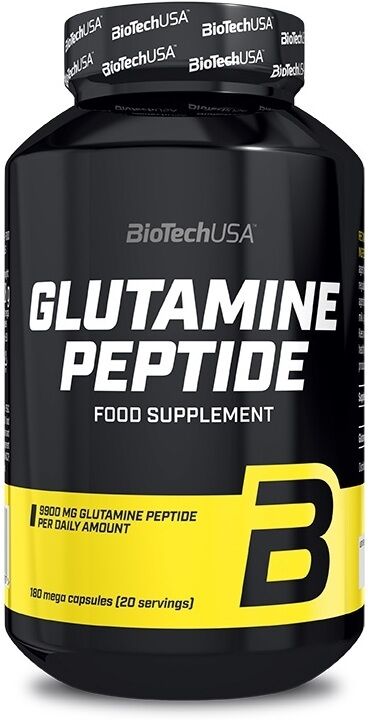
BiotechUSA Glutamine Peptide 180 capsulesNutrition and Supplements Amino acids BiotechUSA Glutamine Peptide 180 capsules Glutamine is a conditionally essential amino acid that can be produced by the body itself. However, glutamine supplementation may be necessary in certain circumstances, such as high intensity or long term workouts. Such activities may cause the body to require more glutamine than it can produce. Glutamine peptide, like any BioTechUSA product, is safe and contains carefully selected ingredients.17,33 £*Shipping: 3,99 £Secure redirect to the provider
-
Yellow Kite Crystals for Self-Care by Kirsty Gallagher - Hardback Guide to Crystal Healing Rituals for Love, Stress & WellbeingDiscover the world of crystal healing with this beautifully produced hardback guide from Sunday Times bestselling author Kirsty Gallagher. 'Crystals for Self-Care' offers an accessible entry point into crystal healing, blending clear foundational knowledge with practical, everyday rituals. The book is written for both complete beginners and seasoned spiritual seekers, providing a genuinely useful reference for those interested in crystal healing. Kirsty's warm and experienced voice guides readers through choosing, cleansing and working with crystals to support love, stress relief, work confidence and overall wellbeing. The book is structured in two clear parts, with Part One laying the groundwork for understanding crystals and their uses, and Part Two providing practical guidance on how to incorporate crystals into daily life. This comprehensive guide is perfect for anyone looking to learn more about crystal healing and how to use crystals for self-care.4,99 £*Shipping: 2,99 £Secure redirect to the provider
-
How does hydrolysis occur during peptide cleavage?
Hydrolysis occurs during peptide cleavage when a water molecule is used to break the bond between the carboxyl group of one amino acid and the amino group of another. This process involves the addition of a water molecule to the peptide bond, resulting in the separation of the two amino acids. The water molecule donates a hydrogen ion to one amino acid and a hydroxide ion to the other, causing the bond to break and the peptide to be cleaved. This hydrolysis reaction is catalyzed by enzymes called proteases, which facilitate the cleavage of peptides in biological systems. **
-
Why are peptide bonds not freely rotatable?
Peptide bonds are not freely rotatable because of the partial double bond character that arises from resonance in the peptide bond. This restricts the rotation around the bond and locks the peptide backbone into a planar structure. The resonance forms a rigid, flat structure that allows for the formation of the alpha helix and beta sheet secondary structures in proteins. This rigidity is essential for maintaining the specific three-dimensional shape and function of proteins. **
-
How does one go from DNA to peptide?
The process of going from DNA to peptide involves several steps. First, the DNA sequence is transcribed into messenger RNA (mRNA) by the enzyme RNA polymerase. The mRNA is then translated by ribosomes, which read the mRNA sequence in groups of three nucleotides called codons. Each codon corresponds to a specific amino acid, which is the building block of a peptide. As the ribosome reads the mRNA, it links together the corresponding amino acids to form a peptide chain. This chain of amino acids folds into a specific three-dimensional structure to form a functional peptide. **
-
How can one recognize mesomerically stabilized peptide bonds?
Mesomerically stabilized peptide bonds can be recognized by the presence of resonance structures in the peptide bond. This is typically observed when the peptide bond is part of a conjugated system, such as in the case of proline or in the presence of aromatic amino acids like phenylalanine or tyrosine. The presence of resonance structures indicates that the electrons in the peptide bond are delocalized, leading to increased stability. Additionally, mesomerically stabilized peptide bonds may exhibit altered reactivity compared to non-stabilized peptide bonds, making them important in the study of protein structure and function. **
* All prices are inclusive of VAT and, if applicable, plus shipping costs. The offer information is based on the details provided by the respective shop and is updated through automated processes. Real-time updates do not occur, so deviations can occur in individual cases. ** Note: Parts of this content were created by AI.