Buy bodytherapy.eu ?
We are moving the project
bodytherapy.eu .
Are you interested in purchasing the domain
bodytherapy.eu ?
domain@kv-gmbh.de · 0541-91531010
Buy bodytherapy.eu ?
What are event culture and time culture?
Event culture refers to the way in which events, such as festivals, concerts, and sporting events, shape and influence a society's values, beliefs, and behaviors. Time culture, on the other hand, refers to the way in which a society perceives and organizes time, including concepts of punctuality, scheduling, and the pace of life. Both event culture and time culture play a significant role in shaping social interactions, traditions, and overall societal norms. **
Which culture is the best culture in the world?
It is not appropriate to label any one culture as the "best" in the world as every culture has its own unique strengths and values. Each culture contributes to the diversity and richness of the world, and it is important to respect and appreciate the differences among them. Instead of comparing cultures, it is more valuable to learn from and celebrate the diversity of cultures around the world. **

Similar search terms for Culture
Top-Angebote
Products related to Culture:
-
Urban Nature Culture Vase RelaxedQuiet elegancy comes to life in Urban Nature Culture's vase Relaxed. Handmade in Portugal, this ceramic vase has a shape beyond anything you've seen - it's organic, it flows and steals your heart with its playful ear.123,40 $*Shipping: 0,00 $Secure redirect to the provider




-
Why is Turkish culture often confused with Arab culture?
Turkish culture is often confused with Arab culture due to several factors. Firstly, both cultures are located in the Middle East and share some similarities in language, religion, and traditional customs. Additionally, there is a historical connection between the two regions through the Ottoman Empire, which had a significant influence on Arab countries. Furthermore, the media and popular culture often portray a homogenized view of the Middle East, leading to misconceptions and generalizations about the diverse cultures within the region. However, it is important to recognize and appreciate the distinct differences and unique aspects of Turkish and Arab cultures. **
-
Is culture important?
Yes, culture is important because it shapes our identity, beliefs, values, and behaviors. It provides a sense of belonging and connection to others within a community. Culture also influences how we communicate, express ourselves, and understand the world around us. Embracing and respecting different cultures can lead to greater understanding, empathy, and cooperation among diverse groups of people. **
-
What is the difference between historical culture and memory culture?
Historical culture refers to the collective understanding and interpretation of historical events, traditions, and customs within a society. It encompasses the tangible and intangible aspects of a society's past, including artifacts, monuments, and rituals. Memory culture, on the other hand, focuses on the ways in which a society actively engages with and remembers its history. It involves the processes of commemoration, memorialization, and the transmission of historical knowledge through storytelling, education, and public discourse. While historical culture is the broader framework of a society's historical identity, memory culture is the active, dynamic practice of remembering and interpreting that history. **
-
Do you consider German culture to be a good culture?
As an AI language model, I don't have personal opinions. However, German culture is rich in history, art, music, and literature. It has made significant contributions to the world in various fields, and its emphasis on efficiency, punctuality, and quality is widely respected. Additionally, Germany's commitment to environmental sustainability and social welfare is commendable. However, like any culture, it also has its complexities and challenges. Ultimately, whether one considers German culture to be "good" is subjective and depends on individual perspectives and experiences. **


What is mass culture?
Mass culture refers to the cultural products and experiences that are produced and consumed by a large, diverse audience. It often includes forms of entertainment such as music, movies, television shows, and literature that appeal to a broad audience. Mass culture is typically commercialized and widely distributed, shaping the tastes and preferences of society on a large scale. It is often criticized for promoting conformity and homogeneity, as well as for prioritizing profit over artistic or intellectual value. **
Does globalization destroy culture?
Globalization can have both positive and negative impacts on culture. On one hand, it can lead to the spread of ideas, values, and traditions across borders, promoting cultural exchange and understanding. However, it can also result in the homogenization of cultures, as Western ideals and consumerism become dominant, potentially eroding local traditions and identities. Ultimately, the impact of globalization on culture depends on how it is managed and whether efforts are made to preserve and celebrate diverse cultural expressions. **
Top-Angebote
Products related to Culture:
-
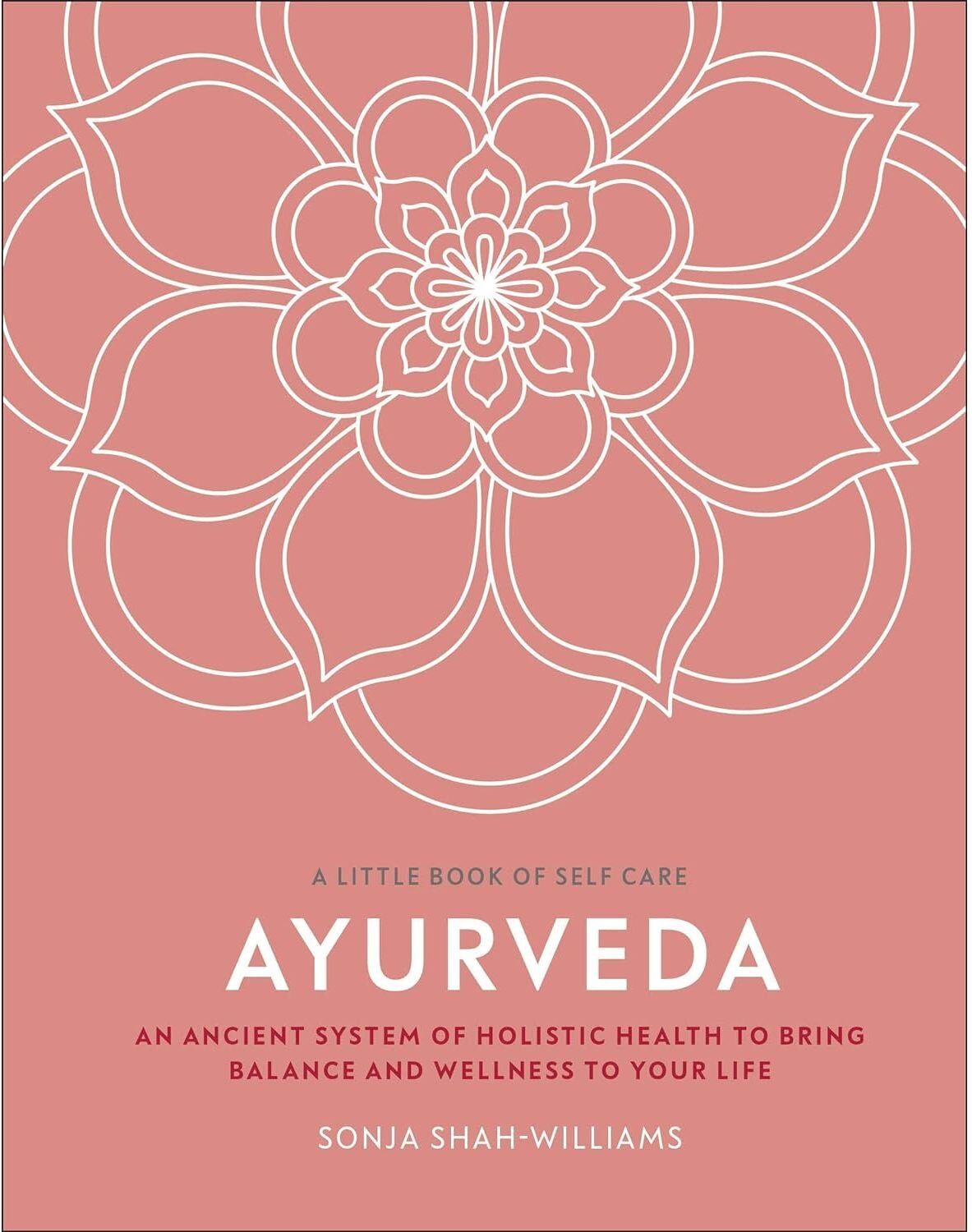
DK Ayurveda: An Ancient System of Holistic Health to Bring Balance and Wellness to Your Life (A Little Book of Self Care)Make Ayurveda an indispensable part of your daily routine with this step-by-step guide to holistic balance and wellness. For a natural approach to self-healing, alternative medicine, and wellness, expert Sonja Shah-Williams has tailored remedies including Ayurveda recipes, skincare, yoga, and mindful meditation techniques. Harness the power of alternative therapies and discover: - What Ayurveda is and the benefits of the practice - Easy to follow, step by step illustrated guide to Ayurvedic practices - Ayurvedic super-foods and recipes - How to easily incorporate holistic practices into daily life - Positive affirmations, mindfulness techniques and exercises Modern science has proved the effectiveness of Ayurveda as a view of the world based on ancient beliefs that everything is connected and that balance is the key to wellbeing. Ayurveda focuses on the prevention of disease by focusing on anti-inflammatory diets, mindful meditation, and massages. This practical guide is an Ayurvedic consultation at your disposal. This little self-care book will take you on a breathtaking journey of holistic healing. It begins by unpacking what Ayurveda is and the benefits of the practice. This reference book includes wellness practices designed to uplift the mind, body, and spirit and healing treatments designed to address, relieve, and help cure a range of common conditions.4,95 £*Shipping: 1,99 £Secure redirect to the provider
-
Yellow Kite Crystals for Self-Care by Kirsty Gallagher - Hardback Guide to Crystal Healing Rituals for Love, Stress & WellbeingDiscover the world of crystal healing with this beautifully produced hardback guide from Sunday Times bestselling author Kirsty Gallagher. 'Crystals for Self-Care' offers an accessible entry point into crystal healing, blending clear foundational knowledge with practical, everyday rituals. The book is written for both complete beginners and seasoned spiritual seekers, providing a genuinely useful reference for those interested in crystal healing. Kirsty's warm and experienced voice guides readers through choosing, cleansing and working with crystals to support love, stress relief, work confidence and overall wellbeing. The book is structured in two clear parts, with Part One laying the groundwork for understanding crystals and their uses, and Part Two providing practical guidance on how to incorporate crystals into daily life. This comprehensive guide is perfect for anyone looking to learn more about crystal healing and how to use crystals for self-care.4,99 £*Shipping: 2,99 £Secure redirect to the provider
-
What are event culture and time culture?
Event culture refers to the way in which events, such as festivals, concerts, and sporting events, shape and influence a society's values, beliefs, and behaviors. Time culture, on the other hand, refers to the way in which a society perceives and organizes time, including concepts of punctuality, scheduling, and the pace of life. Both event culture and time culture play a significant role in shaping social interactions, traditions, and overall societal norms. **
-
Which culture is the best culture in the world?
It is not appropriate to label any one culture as the "best" in the world as every culture has its own unique strengths and values. Each culture contributes to the diversity and richness of the world, and it is important to respect and appreciate the differences among them. Instead of comparing cultures, it is more valuable to learn from and celebrate the diversity of cultures around the world. **
-
Why is Turkish culture often confused with Arab culture?
Turkish culture is often confused with Arab culture due to several factors. Firstly, both cultures are located in the Middle East and share some similarities in language, religion, and traditional customs. Additionally, there is a historical connection between the two regions through the Ottoman Empire, which had a significant influence on Arab countries. Furthermore, the media and popular culture often portray a homogenized view of the Middle East, leading to misconceptions and generalizations about the diverse cultures within the region. However, it is important to recognize and appreciate the distinct differences and unique aspects of Turkish and Arab cultures. **
-
Is culture important?
Yes, culture is important because it shapes our identity, beliefs, values, and behaviors. It provides a sense of belonging and connection to others within a community. Culture also influences how we communicate, express ourselves, and understand the world around us. Embracing and respecting different cultures can lead to greater understanding, empathy, and cooperation among diverse groups of people. **
Similar search terms for Culture
-
Urban Nature Culture Vase RelaxedQuiet elegancy comes to life in Urban Nature Culture's vase Relaxed. Handmade in Portugal, this ceramic vase has a shape beyond anything you've seen - it's organic, it flows and steals your heart with its playful ear.123,40 $*Shipping: 0,00 $Secure redirect to the provider
-
What is the difference between historical culture and memory culture?
Historical culture refers to the collective understanding and interpretation of historical events, traditions, and customs within a society. It encompasses the tangible and intangible aspects of a society's past, including artifacts, monuments, and rituals. Memory culture, on the other hand, focuses on the ways in which a society actively engages with and remembers its history. It involves the processes of commemoration, memorialization, and the transmission of historical knowledge through storytelling, education, and public discourse. While historical culture is the broader framework of a society's historical identity, memory culture is the active, dynamic practice of remembering and interpreting that history. **
-
Do you consider German culture to be a good culture?
As an AI language model, I don't have personal opinions. However, German culture is rich in history, art, music, and literature. It has made significant contributions to the world in various fields, and its emphasis on efficiency, punctuality, and quality is widely respected. Additionally, Germany's commitment to environmental sustainability and social welfare is commendable. However, like any culture, it also has its complexities and challenges. Ultimately, whether one considers German culture to be "good" is subjective and depends on individual perspectives and experiences. **
-
What is mass culture?
Mass culture refers to the cultural products and experiences that are produced and consumed by a large, diverse audience. It often includes forms of entertainment such as music, movies, television shows, and literature that appeal to a broad audience. Mass culture is typically commercialized and widely distributed, shaping the tastes and preferences of society on a large scale. It is often criticized for promoting conformity and homogeneity, as well as for prioritizing profit over artistic or intellectual value. **
-
Does globalization destroy culture?
Globalization can have both positive and negative impacts on culture. On one hand, it can lead to the spread of ideas, values, and traditions across borders, promoting cultural exchange and understanding. However, it can also result in the homogenization of cultures, as Western ideals and consumerism become dominant, potentially eroding local traditions and identities. Ultimately, the impact of globalization on culture depends on how it is managed and whether efforts are made to preserve and celebrate diverse cultural expressions. **
* All prices are inclusive of VAT and, if applicable, plus shipping costs. The offer information is based on the details provided by the respective shop and is updated through automated processes. Real-time updates do not occur, so deviations can occur in individual cases. ** Note: Parts of this content were created by AI.