Buy bodytherapy.eu ?
We are moving the project
bodytherapy.eu .
Are you interested in purchasing the domain
bodytherapy.eu ?
domain@kv-gmbh.de · 0541-91531010
Buy bodytherapy.eu ?
What are conjunctional clauses, relative clauses, demonstrative clauses, and infinitive clauses?
Conjunctional clauses are dependent clauses that are introduced by a conjunction, such as "because," "although," or "while." They provide additional information about the main clause in a sentence. Relative clauses are also dependent clauses that provide more information about a noun in the main clause. They are introduced by relative pronouns like "who," "which," or "that." Demonstrative clauses are dependent clauses that function as adjectives and provide more information about a noun in the main clause. They are introduced by demonstrative pronouns like "this," "that," "these," or "those." Infinitive clauses are dependent clauses that are formed with an infinitive verb (to + base form of the verb). They can function as nouns, adjectives, or adverbs in a sentence. **
Are conjunctive clauses always adverbial clauses?
No, conjunctive clauses are not always adverbial clauses. While adverbial clauses are a type of conjunctive clause that function as adverbs to modify verbs, adjectives, or other adverbs, there are also other types of conjunctive clauses. For example, there are conjunctive clauses that function as noun clauses, such as in "I know that you are busy." In this sentence, "that you are busy" is a conjunctive clause functioning as a noun clause, not an adverbial clause. Therefore, conjunctive clauses can serve various grammatical functions beyond just adverbial clauses. **


Similar search terms for Clauses
Top-Angebote
Products related to Clauses:
-
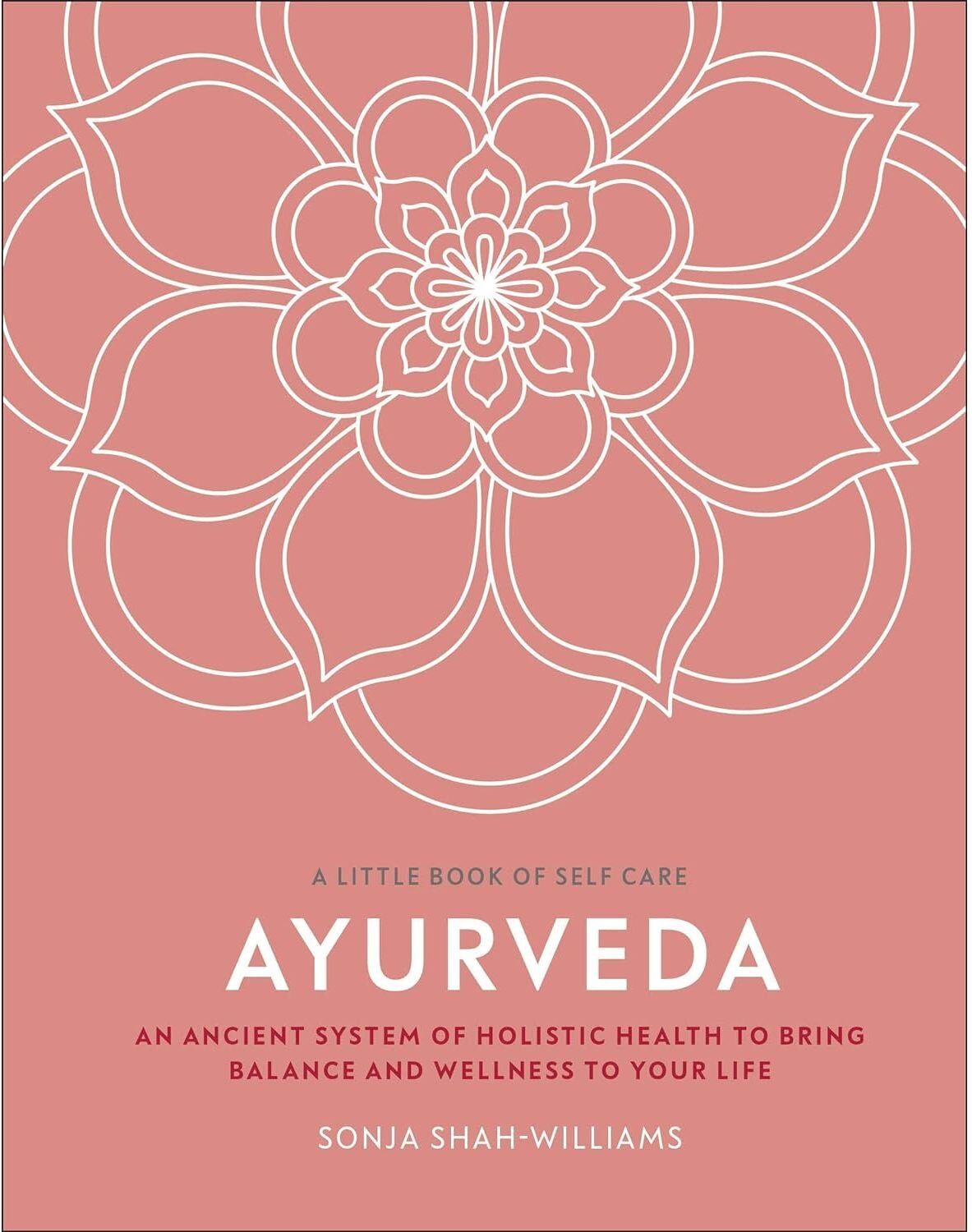
DK Ayurveda: An Ancient System of Holistic Health to Bring Balance and Wellness to Your Life (A Little Book of Self Care)Make Ayurveda an indispensable part of your daily routine with this step-by-step guide to holistic balance and wellness. For a natural approach to self-healing, alternative medicine, and wellness, expert Sonja Shah-Williams has tailored remedies including Ayurveda recipes, skincare, yoga, and mindful meditation techniques. Harness the power of alternative therapies and discover: - What Ayurveda is and the benefits of the practice - Easy to follow, step by step illustrated guide to Ayurvedic practices - Ayurvedic super-foods and recipes - How to easily incorporate holistic practices into daily life - Positive affirmations, mindfulness techniques and exercises Modern science has proved the effectiveness of Ayurveda as a view of the world based on ancient beliefs that everything is connected and that balance is the key to wellbeing. Ayurveda focuses on the prevention of disease by focusing on anti-inflammatory diets, mindful meditation, and massages. This practical guide is an Ayurvedic consultation at your disposal. This little self-care book will take you on a breathtaking journey of holistic healing. It begins by unpacking what Ayurveda is and the benefits of the practice. This reference book includes wellness practices designed to uplift the mind, body, and spirit and healing treatments designed to address, relieve, and help cure a range of common conditions.4,95 £*Shipping: 1,99 £Secure redirect to the provider
-
Yellow Kite Crystals for Self-Care by Kirsty Gallagher - Hardback Guide to Crystal Healing Rituals for Love, Stress & WellbeingDiscover the world of crystal healing with this beautifully produced hardback guide from Sunday Times bestselling author Kirsty Gallagher. 'Crystals for Self-Care' offers an accessible entry point into crystal healing, blending clear foundational knowledge with practical, everyday rituals. The book is written for both complete beginners and seasoned spiritual seekers, providing a genuinely useful reference for those interested in crystal healing. Kirsty's warm and experienced voice guides readers through choosing, cleansing and working with crystals to support love, stress relief, work confidence and overall wellbeing. The book is structured in two clear parts, with Part One laying the groundwork for understanding crystals and their uses, and Part Two providing practical guidance on how to incorporate crystals into daily life. This comprehensive guide is perfect for anyone looking to learn more about crystal healing and how to use crystals for self-care.4,99 £*Shipping: 2,99 £Secure redirect to the provider
-
Orion Fearne Cotton Happy Calm Quiet 3 Book Collection Set - Paperback Self-Help Trilogy - Mindfulness & Wellbeing Gift SetThe Fearne Cotton Happy Calm Quiet 3 Books Collection Set brings together three of the broadcaster and Happy Place podcast host's most-loved paperbacks in one bundle. Written with warmth and honesty, each title tackles a different piece of everyday wellbeing — finding joy, slowing down, and quietening a busy mind. Together they form an approachable toolkit for anyone wanting small, realistic changes to their mental health and outlook. The set includes Fearne Cotton's candid exploration of what happiness really means, drawing on her own experience of depression alongside insight from psychologists and experts to show that contentment is built from small, repeatable habits rather than one perfect moment. It also turns attention to the constant noise of modern life, offering practical advice on how to find calm in a busy world. The third book provides guidance on quietening a busy mind and finding inner peace. This collection of books is a genuinely useful addition to any self-help shelf or gift list, offering a thoughtful and supportive approach to wellbeing.19,99 £*Shipping: 2,99 £Secure redirect to the provider
-
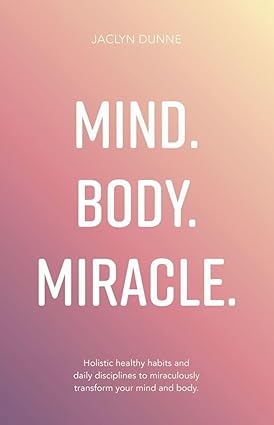
Rethink Press Mind Body Miracle by Jaclyn Dunne - Holistic Healthy Habits & Daily Disciplines Paperback - Wellness & Self-Help Non-Fiction BookMind Body Miracle is a practical wellness guide for anyone looking to reset their habits and reclaim their energy. Jaclyn Dunne distills years of coaching experience into a toolkit of daily disciplines covering mindset, nutrition, and movement. This book focuses on small, sustainable actions that compound into lasting change, making it an accessible companion for busy professionals, parents, and anyone seeking clarity, focus, and better health. The book is written by Jaclyn Dunne and published by Rethink Press, making it a valuable resource for those looking to improve their overall well-being.2,99 £*Shipping: 2,99 £Secure redirect to the provider


-
What are relative clauses and conjunctional clauses?
Relative clauses are clauses that provide additional information about a noun in the main clause. They are introduced by relative pronouns such as "who," "which," "that," and "whom." For example, in the sentence "The book that I read is very interesting," the relative clause "that I read" provides more information about the noun "book." Conjunctional clauses, on the other hand, are clauses that are connected to the main clause by conjunctions such as "and," "but," "or," "if," and "because." They can express relationships such as addition, contrast, alternative, condition, and cause. For example, in the sentence "I will go to the park if the weather is nice," the conjunctional clause "if the weather is nice" expresses a condition for the action in the main clause. **
-
What are the French conditional clauses (si-clauses)?
French conditional clauses, also known as si-clauses, are used to express a hypothetical situation and its potential outcome. They consist of two parts: the si clause (if clause), which describes the condition, and the main clause, which describes the potential result. The si clause is typically formed using the conjunction "si" followed by the imperfect tense or the pluperfect tense, while the main clause is formed using the conditional tense. These clauses are commonly used to talk about what would happen in certain situations if a specific condition were met. **
-
How can one recognize main clauses and subordinate clauses?
Main clauses can stand alone as complete sentences, while subordinate clauses cannot. Subordinate clauses often begin with subordinating conjunctions such as "although," "because," "if," "when," or "while." They also often contain a subject and a verb, but they do not express a complete thought on their own. Main clauses, on the other hand, express a complete thought and can function as independent sentences. By identifying these characteristics, one can recognize main and subordinate clauses in a sentence. **
-
How can adverbial clauses be used as subordinate clauses?
Adverbial clauses can be used as subordinate clauses to provide additional information about the main clause. They can modify the verb in the main clause by expressing time, place, manner, condition, reason, purpose, or concession. For example, in the sentence "She went to bed after she finished her homework," the adverbial clause "after she finished her homework" provides information about the timing of the main action "She went to bed." Adverbial clauses are introduced by subordinating conjunctions such as after, before, while, since, because, if, although, etc. **


How can subordinate clauses be rewritten as main clauses?
Subordinate clauses can be rewritten as main clauses by removing the subordinating conjunction and making any necessary adjustments to the verb tense or word order. For example, the subordinate clause "because she was tired" can be rewritten as the main clause "she was tired." This transformation allows the subordinate clause to stand alone as a complete sentence. Additionally, any pronouns or other words that were dependent on the subordinating conjunction may need to be adjusted to ensure the new main clause is grammatically correct. **
How do I transform subordinate clauses into main clauses?
To transform a subordinate clause into a main clause, you need to make sure that the clause can stand alone as a complete sentence. This means adding a subject and a verb to the clause if it doesn't already have them. You may also need to adjust the word order or add any necessary punctuation. Once these changes are made, the subordinate clause will become a main clause that can function independently within a sentence. **
Top-Angebote
Products related to Clauses:
-
Enesco/Dept 56 More Letters for the Clauses Clothtique Red , RedEvery year, Mr. and Mrs. Claus are eager to receive and read More Letters for the Clauses. The red mailbox has holiday accents including holly leaves, red berries, and a red bow; it is filled with wrapped packages and rolled-up letters. This happy...149,99 $*Shipping: 20,95 $Secure redirect to the provider
-
Enesco/Dept 56 More Letters for the Clauses African American Clothtique Red , RedEvery year, Mr. and Mrs. Claus are eager to receive and read More Letters for the Clauses. The red mailbox has holiday accents including holly leaves, red berries, and a red bow; it is filled with wrapped packages and rolled-up letters. This happy,...149,99 $*Shipping: 20,95 $Secure redirect to the provider
-
DK Ayurveda: An Ancient System of Holistic Health to Bring Balance and Wellness to Your Life (A Little Book of Self Care)Make Ayurveda an indispensable part of your daily routine with this step-by-step guide to holistic balance and wellness. For a natural approach to self-healing, alternative medicine, and wellness, expert Sonja Shah-Williams has tailored remedies including Ayurveda recipes, skincare, yoga, and mindful meditation techniques. Harness the power of alternative therapies and discover: - What Ayurveda is and the benefits of the practice - Easy to follow, step by step illustrated guide to Ayurvedic practices - Ayurvedic super-foods and recipes - How to easily incorporate holistic practices into daily life - Positive affirmations, mindfulness techniques and exercises Modern science has proved the effectiveness of Ayurveda as a view of the world based on ancient beliefs that everything is connected and that balance is the key to wellbeing. Ayurveda focuses on the prevention of disease by focusing on anti-inflammatory diets, mindful meditation, and massages. This practical guide is an Ayurvedic consultation at your disposal. This little self-care book will take you on a breathtaking journey of holistic healing. It begins by unpacking what Ayurveda is and the benefits of the practice. This reference book includes wellness practices designed to uplift the mind, body, and spirit and healing treatments designed to address, relieve, and help cure a range of common conditions.4,95 £*Shipping: 1,99 £Secure redirect to the provider
-
Yellow Kite Crystals for Self-Care by Kirsty Gallagher - Hardback Guide to Crystal Healing Rituals for Love, Stress & WellbeingDiscover the world of crystal healing with this beautifully produced hardback guide from Sunday Times bestselling author Kirsty Gallagher. 'Crystals for Self-Care' offers an accessible entry point into crystal healing, blending clear foundational knowledge with practical, everyday rituals. The book is written for both complete beginners and seasoned spiritual seekers, providing a genuinely useful reference for those interested in crystal healing. Kirsty's warm and experienced voice guides readers through choosing, cleansing and working with crystals to support love, stress relief, work confidence and overall wellbeing. The book is structured in two clear parts, with Part One laying the groundwork for understanding crystals and their uses, and Part Two providing practical guidance on how to incorporate crystals into daily life. This comprehensive guide is perfect for anyone looking to learn more about crystal healing and how to use crystals for self-care.4,99 £*Shipping: 2,99 £Secure redirect to the provider
-
What are conjunctional clauses, relative clauses, demonstrative clauses, and infinitive clauses?
Conjunctional clauses are dependent clauses that are introduced by a conjunction, such as "because," "although," or "while." They provide additional information about the main clause in a sentence. Relative clauses are also dependent clauses that provide more information about a noun in the main clause. They are introduced by relative pronouns like "who," "which," or "that." Demonstrative clauses are dependent clauses that function as adjectives and provide more information about a noun in the main clause. They are introduced by demonstrative pronouns like "this," "that," "these," or "those." Infinitive clauses are dependent clauses that are formed with an infinitive verb (to + base form of the verb). They can function as nouns, adjectives, or adverbs in a sentence. **
-
Are conjunctive clauses always adverbial clauses?
No, conjunctive clauses are not always adverbial clauses. While adverbial clauses are a type of conjunctive clause that function as adverbs to modify verbs, adjectives, or other adverbs, there are also other types of conjunctive clauses. For example, there are conjunctive clauses that function as noun clauses, such as in "I know that you are busy." In this sentence, "that you are busy" is a conjunctive clause functioning as a noun clause, not an adverbial clause. Therefore, conjunctive clauses can serve various grammatical functions beyond just adverbial clauses. **
-
What are relative clauses and conjunctional clauses?
Relative clauses are clauses that provide additional information about a noun in the main clause. They are introduced by relative pronouns such as "who," "which," "that," and "whom." For example, in the sentence "The book that I read is very interesting," the relative clause "that I read" provides more information about the noun "book." Conjunctional clauses, on the other hand, are clauses that are connected to the main clause by conjunctions such as "and," "but," "or," "if," and "because." They can express relationships such as addition, contrast, alternative, condition, and cause. For example, in the sentence "I will go to the park if the weather is nice," the conjunctional clause "if the weather is nice" expresses a condition for the action in the main clause. **
-
What are the French conditional clauses (si-clauses)?
French conditional clauses, also known as si-clauses, are used to express a hypothetical situation and its potential outcome. They consist of two parts: the si clause (if clause), which describes the condition, and the main clause, which describes the potential result. The si clause is typically formed using the conjunction "si" followed by the imperfect tense or the pluperfect tense, while the main clause is formed using the conditional tense. These clauses are commonly used to talk about what would happen in certain situations if a specific condition were met. **
Similar search terms for Clauses
-
Orion Fearne Cotton Happy Calm Quiet 3 Book Collection Set - Paperback Self-Help Trilogy - Mindfulness & Wellbeing Gift SetThe Fearne Cotton Happy Calm Quiet 3 Books Collection Set brings together three of the broadcaster and Happy Place podcast host's most-loved paperbacks in one bundle. Written with warmth and honesty, each title tackles a different piece of everyday wellbeing — finding joy, slowing down, and quietening a busy mind. Together they form an approachable toolkit for anyone wanting small, realistic changes to their mental health and outlook. The set includes Fearne Cotton's candid exploration of what happiness really means, drawing on her own experience of depression alongside insight from psychologists and experts to show that contentment is built from small, repeatable habits rather than one perfect moment. It also turns attention to the constant noise of modern life, offering practical advice on how to find calm in a busy world. The third book provides guidance on quietening a busy mind and finding inner peace. This collection of books is a genuinely useful addition to any self-help shelf or gift list, offering a thoughtful and supportive approach to wellbeing.19,99 £*Shipping: 2,99 £Secure redirect to the provider
-
Rethink Press Mind Body Miracle by Jaclyn Dunne - Holistic Healthy Habits & Daily Disciplines Paperback - Wellness & Self-Help Non-Fiction BookMind Body Miracle is a practical wellness guide for anyone looking to reset their habits and reclaim their energy. Jaclyn Dunne distills years of coaching experience into a toolkit of daily disciplines covering mindset, nutrition, and movement. This book focuses on small, sustainable actions that compound into lasting change, making it an accessible companion for busy professionals, parents, and anyone seeking clarity, focus, and better health. The book is written by Jaclyn Dunne and published by Rethink Press, making it a valuable resource for those looking to improve their overall well-being.2,99 £*Shipping: 2,99 £Secure redirect to the provider
-
JOKO Pure Holistic Care & Beauty cushion blusher shade 01 10 mlJOKO Pure Holistic Care & Beauty, 10 ml, Blushers for Women, Do you want to give your face a healthy, fresh appearance? The JOKO Pure Holistic Care & Beauty blusher is here to help. It envelops your cheeks in a soft hint of colour similar to the natural blushing process. But it’s also useful for highlighting features and visually altering the shape of your face, for example when you want your cheeks to appear lifted. Just apply a few layers with a brush or sponge and your cheeks will get a refreshed appearance to enhance any makeup style. Characteristics: gives your face a healthy colour creates a naturally blushing look long-lasting matte effect easy to use How to use: Apply to the face using a wide brush and blend in. Can be applied to the cheeks, eyelids and lips.4,70 £*Shipping: 3,99 £Secure redirect to the provider
-
JOKO Pure Holistic Care & Beauty creamy concealer shade 01 10 mlJOKO Pure Holistic Care & Beauty, 10 ml, Concealers, Spot Treatments for Women, Do you want your makeup or no-makeup makeup look to be completely flawless? If there’s anything you don’t like on your skin, the JOKO Pure Holistic Care & Beauty concealer will cover it perfectly. The highly pigmented formula tackles dark circles under the eyes, pimples, pigment spots and all sorts of redness, but even freckles if you want to hide them. It will simply help you conceal any skin imperfections in such a way that only you know about them. Reach for a concealer you can count on to achieve a completely flawless, even complexion. Characteristics: reduces skin blemishes long-lasting effect easy to apply creamy texture masks dark circles under the eyes prevents skin from drying out How to use: Apply using the applicator built into the lid. Spread until blended, so that there are no visible lines.6,37 £*Shipping: 3,99 £Secure redirect to the provider
-
How can one recognize main clauses and subordinate clauses?
Main clauses can stand alone as complete sentences, while subordinate clauses cannot. Subordinate clauses often begin with subordinating conjunctions such as "although," "because," "if," "when," or "while." They also often contain a subject and a verb, but they do not express a complete thought on their own. Main clauses, on the other hand, express a complete thought and can function as independent sentences. By identifying these characteristics, one can recognize main and subordinate clauses in a sentence. **
-
How can adverbial clauses be used as subordinate clauses?
Adverbial clauses can be used as subordinate clauses to provide additional information about the main clause. They can modify the verb in the main clause by expressing time, place, manner, condition, reason, purpose, or concession. For example, in the sentence "She went to bed after she finished her homework," the adverbial clause "after she finished her homework" provides information about the timing of the main action "She went to bed." Adverbial clauses are introduced by subordinating conjunctions such as after, before, while, since, because, if, although, etc. **
-
How can subordinate clauses be rewritten as main clauses?
Subordinate clauses can be rewritten as main clauses by removing the subordinating conjunction and making any necessary adjustments to the verb tense or word order. For example, the subordinate clause "because she was tired" can be rewritten as the main clause "she was tired." This transformation allows the subordinate clause to stand alone as a complete sentence. Additionally, any pronouns or other words that were dependent on the subordinating conjunction may need to be adjusted to ensure the new main clause is grammatically correct. **
-
How do I transform subordinate clauses into main clauses?
To transform a subordinate clause into a main clause, you need to make sure that the clause can stand alone as a complete sentence. This means adding a subject and a verb to the clause if it doesn't already have them. You may also need to adjust the word order or add any necessary punctuation. Once these changes are made, the subordinate clause will become a main clause that can function independently within a sentence. **
* All prices are inclusive of VAT and, if applicable, plus shipping costs. The offer information is based on the details provided by the respective shop and is updated through automated processes. Real-time updates do not occur, so deviations can occur in individual cases. ** Note: Parts of this content were created by AI.